

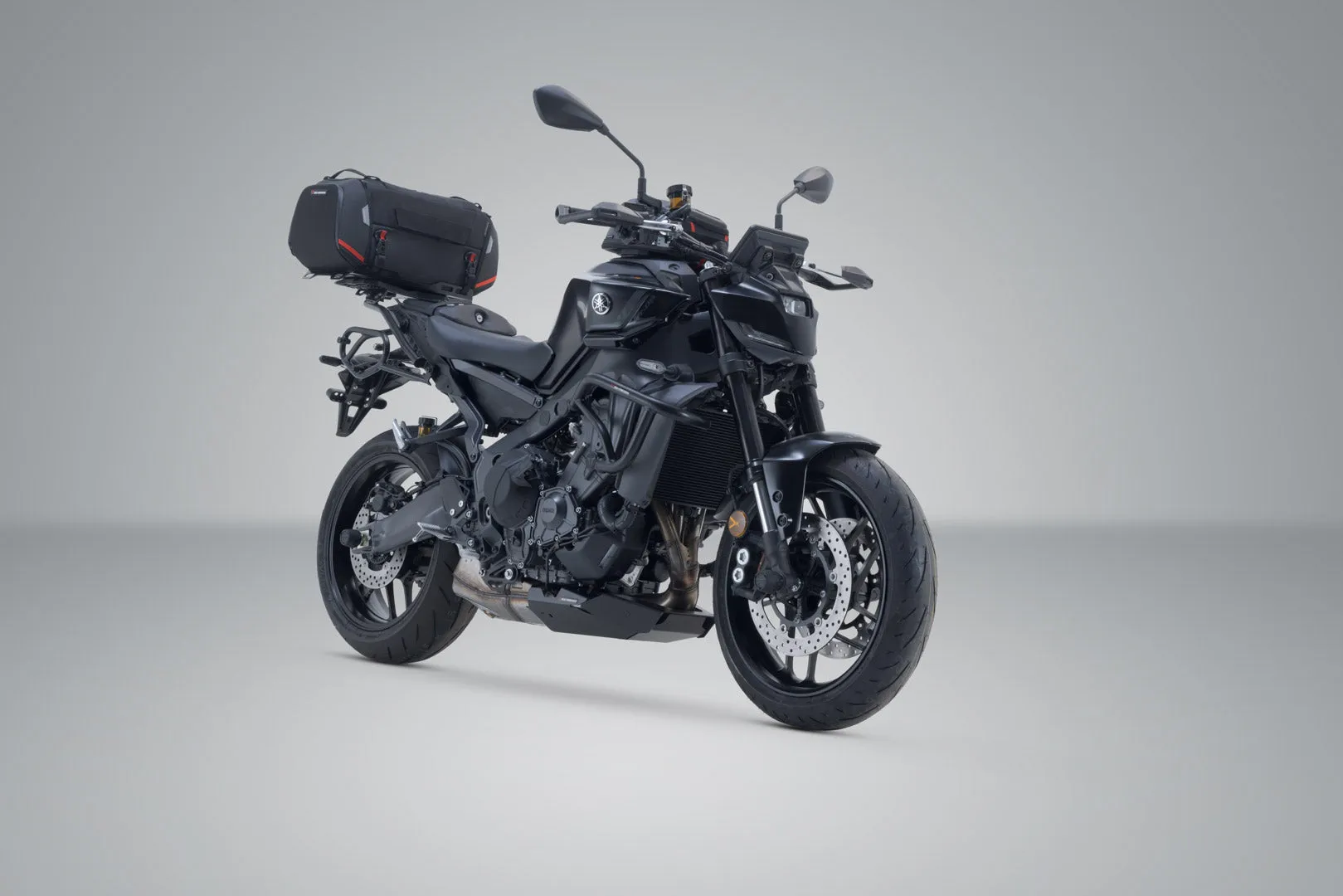
Tank bag problems can mean sliding, opening zippers, scratched paint, blocked controls, or spilled tools. Check the base, straps, stitching, zipper pulls, and trapped grit before longer rides. Curved tanks, plastic covers, weak magnets, overloaded compartments and worn buckles can create movement. Test bar, ignition, filler, and steering-damper clearance at full lock. Clean zippers, reinforce sound fabric, and compare repair costs with replacement. Riders choosing Yamaha mt 09 accessories should confirm mounting. A motorcycle tank bag must stay secure, low, centered, and clear of controls.
Movement Starts at the Mount
Before moving off, check it first. Dust trapped beneath the base, a loose magnetic mount, slack straps, an incorrect tank ring, or too much gear can let it slide, lean, or wobble. Inspect the mount and contact points carefully after hard braking, cornering, and rough-road riding, then check whether the bag touches controls. Tightening hardware cannot fix a system that mismatches the tank shape or ring. Stop riding if movement distracts you or blocks steering, switches, or gauges.
Scuffs Need Early Attention
Scuffs often begin with trapped grit. A magnetic pad or loose strap base can drag that grit across the tank, cutting through the surface finish during movement. Before every remount, clean the tank and wipe the bag’s contact area, even if both look harmless. Light marks deserve caution; ask a paint or detailing professional to assess them before aggressive polishing. If the base is worn or warped, replace it instead of repeatedly pressing damaged material against the paint.
Fitment Fails Before Riding
Check the ring first. Tank-ring systems depend on the fuel-cap bolt pattern and model-specific fitment, not merely the bag’s size, so confirm your motorcycle model, model year, fuel-cap arrangement, and supplied mounting instructions before ordering. With Yamaha mt 09 accessories, bike-specific clearance still needs checking around the cap, bars, and ignition because a layout that works elsewhere may foul controls or sit unevenly here. Never assume a ring or strap layout transfers between motorcycles without the maker’s fitment guide.
Steering Clearance Sets Capacity
Park the motorcycle first. With the motorcycle upright, rotate the handlebars from lock to lock, checking clearance around switches, cables, screens, and the tank at both ends of travel and with the suspension settled. Load it fully; extra height or width can alter clearance. Stand on the pegs too; knees, chest, or elbows may meet the bag during movement. Then open the fuel cap. If refueling requires removing it every stop, decide whether that routine suits your trips before accepting the fit.
Water Enters Through Weak Points
Rain usually enters through weak points, not the fabric itself. Water-resistant cloth handles quick raindrops. Real waterproof gear needs tight seams, good covers, and smart snaps. Check damp zips, torn seams, old covers and open phone spots first. Clear phone compartments can trap heat, create glare and reduce touchscreen access during rain. Repeated leaks suggest poor wet-weather suitability; one damaged zipper points toward repair. Dry it fully, inspect seams and zipper tracks before storing it damp again.
Hardware Often Has a Repair
Some failures are repairable: broken pullers, zipper sliders, torn straps, damaged buckles, loose mounting bases, and worn ring hardware may be replaced without discarding a sound bag. Photograph the failed part from multiple angles, note the bag model, and ask whether the maker supplies that individual component. Include close-ups of attachment points and missing pieces. A provider should inspect the damage and confirm part availability before quoting, since labor, compatibility, and replacement hardware can change the final repair decision.
Replacement Beats Some Repairs
Replace the bag when its base is distorted, several parts have failed, seams are damaged, mounting hardware lacks support, or steering interference keeps returning. Check tank shape, usable capacity, mounting method, full steering range, fuel access, and replacement-part availability before paying again. Match capacity to your real daily and touring loads, not the biggest option. Start small. Extra weight can restrict rider movement and make the bag feel less stable, especially when hardware already fits poorly on motorcycles.
Conclusion
Take one clear next step: stop riding with the failing bag and document the problem. On bigbike.tech, review the available luggage and mounting options, then contact the provider with your motorcycle model, tank or ring system, photos of the damage, and the exact symptoms noticed during fitting or rain. Ask for a fitment check and a repair-versus-replacement recommendation before paying for another part, because matching the failure to the right solution can prevent wasted spending and discomfort later.
