

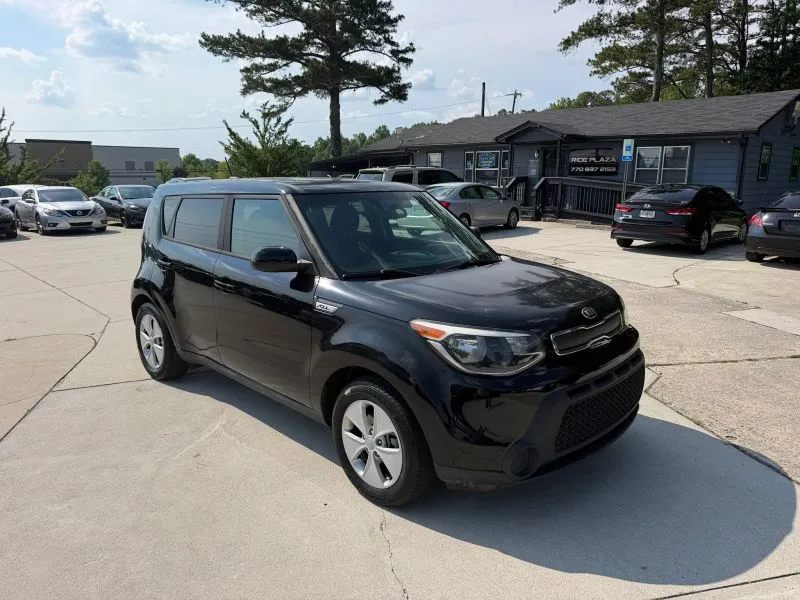
A daily commute changes what matters in a used car. A feature that feels exciting during a ten-minute test drive may mean very little after months of stop-and-go traffic, highway merges, and long stretches behind the wheel. Comfort and running cost usually become more important with time.
Before shopping, picture the route you drive most often. Distance, traffic, parking, fuel use, and how many hours you spend in the car each week can point you toward a better fit than choosing by appearance alone.
Start With the Miles You Drive Each Week
When comparing cars for sale atlanta, estimate how many miles your normal workweek adds to the odometer. A longer commute makes fuel economy and seat comfort more important because small differences repeat every day.
Drivers with shorter trips may care less about fuel savings and more about easy parking or a simple interior. The goal is to spend money on the things the commute actually uses.
Comfort Should Be Tested, Not Assumed
Sit in the driving position for more than a minute. Check whether your legs, shoulders, and lower back feel supported, and make sure the steering wheel and mirrors can be adjusted without creating an awkward posture.
During the test drive, notice road noise and ride quality as well. A car that feels slightly harsh for five minutes can become tiring during a long commute, especially on rough pavement, or crowded highways.
Fuel Economy Is Only Part of the Running Cost
A more efficient car can save money, but tires, insurance, routine service, and repair costs also matter. Some vehicles use larger tires or more expensive parts even when their purchase prices are reasonable.
Ask yourself what you can comfortably maintain after buying. A commuter car should make the workday easier, not turn every service visit into a budget problem.
Use Inventory Filters to Narrow the Field
Browsing used auto sales is easier when you decide on body style, price range, mileage range, and a few must-have features first. That can cut a long list into a manageable group of cars worth seeing in person.
A shortlist also helps you compare similar vehicles rather than bouncing between a compact sedan, a three-row SUV, and a performance coupe. The more consistent the comparison, the easier it is to spot real differences.
Think About Parking Before Buying Size
A larger vehicle can offer space and a higher seating position, but it may be less pleasant in tight parking lots or narrow spaces near work. If you rarely carry bulky cargo, the extra size may be more burden than a benefit.
Try parking during the test drive if possible. Check the turning circle, rear visibility, and how confident you feel judging the corners of the car. Daily convenience often comes down to details like these.
Do Not Ignore the Highway Test
If your commute includes highway driving, make sure the test drive does too when conditions allow. Listen for vibration, note how the car accelerates to traffic speed, and see whether it tracks straight without constant steering correction.
Braking from ordinary road speeds should also feel smooth and predictable. A vehicle can seem fine around a parking lot and reveal very different behavior once the speed increases.
Plan for the Car You Will Own in Two Years
Commuters add miles quickly, so think beyond the odometer reading on purchase day. A vehicle that begins at moderate mileage may be much higher by the time you are ready to sell or trade it.
That does not mean high mileage should scare you. It means maintenance habits and ownership costs deserve more attention when the car is going to be used heavily.
Make Maintenance Convenience Part of the Choice
A commuter car will need routine oil changes, tires, brakes, and occasional repairs while continuing to cover workdays. Common models may offer easier access to parts and service than a less familiar vehicle.
This does not mean every buyer needs the most ordinary car available. It simply means downtime and repair convenience deserve a place in the decision when the vehicle is responsible for getting you to work every day.
Conclusion
A good commuter car is usually the one that quietly does the job every day. Comfortable seats, sensible fuel use, manageable maintenance, easy parking, and confident highway behavior often matter more than features that seemed exciting in the showroom.
Atlanta-area shoppers can review pre-owned vehicles and financing options at rideplaza.com. Choosing around the real commute helps keep the purchase practical long after the novelty of a new-to-you car wears off.
