

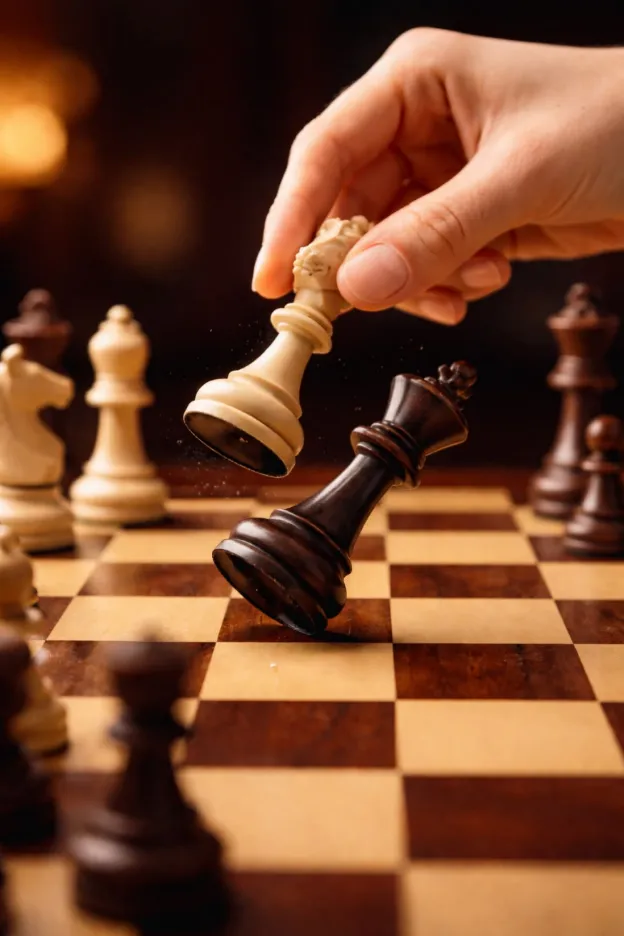
Strategic thinking is an important skill that helps people make better decisions, solve problems, and plan for the future. Whether managing a career, handling personal responsibilities, or working towards long-term goals, adults often need to think beyond immediate results. Chess offers an engaging way to practise these abilities. Through chess lessons for beginners, adults can learn to evaluate situations, recognise patterns, and consider the possible outcomes of their decisions. With consistent practice, chess can become more than a game; it can be a useful exercise in planning and thoughtful decision-making.
Why Chess Encourages Strategic Thinking
Chess requires players to consider the current position while preparing for what may happen next. Every move affects the board, and a decision that appears useful immediately may create problems later. This makes the game an excellent setting for practising careful thinking.
Adults who take chess lessons for adults can gradually develop habits such as:
● Planning ahead: Thinking about possible moves before making a decision.
● Evaluating options: Comparing different choices instead of acting impulsively.
● Managing risks: Understanding what could go wrong and preparing alternatives.
● Adapting to change: Adjusting a plan when an opponent makes an unexpected move.
● Learning from mistakes: Reviewing decisions to understand what could be improved.
These habits can also support everyday decision-making. For example, when planning a project, an adult can identify the desired outcome, consider available resources, and prepare for possible challenges. Chess encourages a similar approach by asking players to think carefully before taking action.
Building a Strong Foundation Through Chess
Strategic thinking becomes easier when players understand the basic rules and movement of each piece. Beginners should first learn how the king, queen, rooks, bishops, knights, and pawns move. They should also understand check, checkmate, castling, and other important rules.
Structured beginner chess lessons can make these concepts easier to understand. Instead of memorising complicated strategies immediately, adults can focus on building a reliable foundation.
Important concepts to learn include:
● Piece value: Understanding the relative importance of each chess piece.
● Board control: Recognising how pieces influence different squares.
● King safety: Keeping the king protected throughout the game.
● Piece development: Moving pieces into useful positions during the opening.
● Coordination: Helping pieces work together rather than acting independently.
These fundamentals help players make stronger decisions as the game becomes more complex. Through chess lessons for beginners, adults can practise these concepts using simple positions and gradually move towards more advanced strategies.
Understand the Importance of Planning
A good chess player does not make moves without a purpose. Each decision should support a larger plan, whether that means controlling the centre, protecting the king, or preparing an attack.
Adults can improve their planning skills by asking themselves a few questions before every move:
● What is my main objective in this position?
● What is my opponent trying to achieve?
● Which move supports my plan?
● What could happen after I make this move?
These questions encourage players to think beyond the next move. Beginner chess lessons often introduce this habit through practical exercises that help learners understand how individual moves contribute to a larger strategy.
Practical Ways to Improve Strategic Thinking
Chess teaches players that not every opportunity requires immediate action. Sometimes, improving a piece’s position or strengthening a defence is more valuable than launching an attack. This approach helps adults develop patience and make thoughtful decisions.
How Chess Improves Decision-Making
● Pause Before Acting: Chess encourages players to think carefully instead of making impulsive moves.
● Evaluate Possible Outcomes: Players learn to consider the advantages and disadvantages of different choices.
● Manage Pressure: Taking time to assess a position helps players remain calm during challenging situations.
● Think Long-Term: A move that offers an immediate advantage may not always support the overall strategy.
● Learn from Experience: Reviewing previous decisions helps players recognise mistakes and make better choices in future games.
Applying Chess Skills to Everyday Life
These decision-making habits can also be useful outside the chessboard.
● Career Planning: Consider the long-term benefits and challenges before making an important career decision.
● Problem-Solving: Evaluate different solutions before choosing the most suitable approach.
● Personal Goals: Break larger goals into manageable steps and plan how to achieve them.
● Daily Responsibilities: Avoid rushing into decisions when taking a moment to think can lead to better results.
Through chess lessons for beginners, adults can practise evaluating positions, considering alternatives, and making decisions with greater confidence.
Learn from Mistakes and Improve Your Strategy
Reviewing completed games is one of the most effective ways to improve strategic thinking. Instead of focusing only on winning or losing, players should examine their decisions and understand how each move affected the game.
Turn Mistakes into Learning Opportunities
Game analysis helps players understand their thinking process and recognise recurring mistakes. By reviewing their decisions, they can gradually develop stronger strategies and improve their confidence.
● Identify mistakes and understand why they happened.
● Recognise patterns in previous games.
● Practise alternative moves and strategies.
● Apply lessons from previous games to future matches.
With chess lessons for adults, learners can receive guided game reviews, understand their strengths, and identify areas that need improvement. This approach encourages continuous learning and helps adults become more thoughtful chess players.
Conclusion
Chess provides adults with a practical way to develop strategic thinking, patience, and problem-solving skills. By learning the fundamentals, planning, recognising patterns, and reviewing mistakes, players can become more thoughtful decision-makers. These habits may also support everyday situations that require careful evaluation and long-term planning. With regular practice and structured chess lessons for adults, learners can enjoy the game while continuing to strengthen their strategic approach to challenges.
Developing strategic thinking becomes easier when learners receive suitable guidance and regular practice. Chessbrainz offers online chess learning with structured courses, interactive exercises, expert coaching, and game analysis. They provide learning options for different skill levels, helping students build their chess knowledge step by step. Those looking for more structured guidance can also explore chess lessons for adults through Chessbrainz and discover a learning approach that supports continued improvement.
