

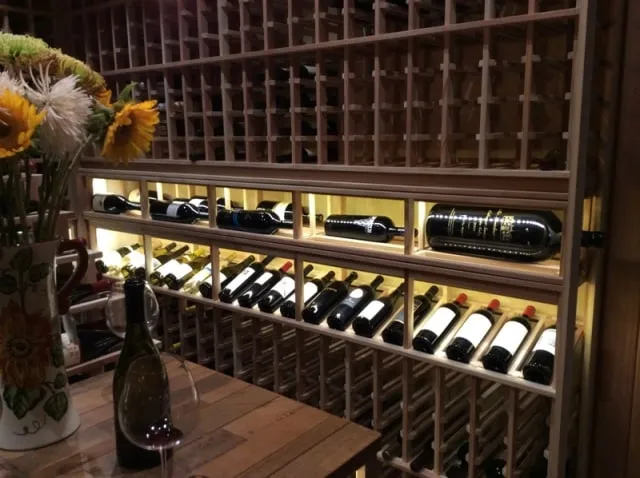
Home wine rooms are often planned from inspiration images, but real collections are less orderly than photographs suggest. They contain everyday bottles, long-term holdings, Champagne, Burgundy shapes, magnums, gifts, and cases waiting to be opened. A useful room has to accommodate that mixture without feeling chaotic.
The design process becomes clearer when the owner starts with habits rather than style. How often bottles are purchased, which wines are opened most, whether guests enter the cellar, and how the collection is cataloged can all influence the layout before a finish is selected.
Map the Collection Before Drawing the Racks
Count bottles by broad format and note anything unusually tall or wide. A layout based entirely on standard openings may look efficient until the first case of sparkling wine arrives. Flexible spaces prevent those bottles from becoming permanent exceptions.
This is an important first step in custom home wine cellar design Los Angeles. The design should reflect the collection that exists now while leaving enough room for the owner’s buying habits to continue naturally.
Separate Daily Choices From Long-Term Storage
Frequently opened wines should be easy to reach and simple to read. Bottles intended for long aging can occupy denser or less prominent storage. This basic division reduces handling and makes normal selection faster.
The same logic helps during restocking. New purchases can move directly to the right zone instead of being placed wherever space happens to remain. Over time, that organization matters more than a decorative labeling system that is difficult to maintain.
Plan the Room Around Movement
A cellar is used for short, repeated visits. People enter carrying bottles, turn to compare labels, crouch for lower rows, and sometimes bring a guest inside. The aisle and door should support those movements without making the room feel unnecessarily large.
Mocking up rack depth with tape is a simple test. Stand in the remaining aisle and imagine opening the door, reaching a lower bottle, and passing another person. Small layout changes are much easier to make before millwork is installed.
Use a Designer to Resolve Conflicts Early
A professional home wine cellar designer Los Angeles is most useful when several priorities compete. A homeowner may want more display, more capacity, quieter equipment, and a wider aisle in the same limited footprint.
Design is the process of deciding which trade-offs make sense for that household. A few inches moved from one rack, a different bottle orientation, or a revised door position can often solve multiple concerns without changing the overall character of the room.
Make Lighting Useful Before Making It Dramatic
Labels need to be readable, steps and thresholds need to be visible, and controls should be easy to find. Those practical lighting needs come first. Decorative effects can then be layered in without leaving important working areas too dark.
Testing the room at night is helpful because many cellars are used during evening entertaining. A setting that looks balanced in daylight may feel overly bright or create reflections after dark. Flexible lighting lets the room shift between browsing and display.
Leave Space for the Collection to Surprise You
No collector predicts every future bottle. Travel purchases, gifts, allocations, and large formats can change the mix quickly. A little unassigned capacity is not wasted space; it is insurance against clutter.
One flexible shelf, a case zone, or several wider openings can absorb those surprises. The room stays visually controlled because unusual bottles have somewhere intentional to go instead of interrupting carefully arranged display rows.
Plan a Simple Cataloging Routine
Even a beautifully organized cellar becomes harder to use when bottles are moved without a consistent system. The room should support a cataloging habit that is realistic for the owner, whether that means shelf labels, zones, or a digital inventory tied to physical locations.
The easier the system is to maintain, the more likely it will survive. Complicated codes often disappear after a few months, while broad zones and repeatable placement rules can keep the collection understandable even as bottles are added and removed.
Conclusion
A residential cellar becomes easier to use when it reflects the collection’s real variety and the owner’s real habits. Capacity, access, movement, lighting, and flexible storage should work together before the room is judged by style alone.
Homeowners planning around an evolving collection can explore ideas at customwinecellarslosangeles.com while keeping their own bottle mix and daily routines as the most important design brief.
