

Classic patterns like damask, stripes, florals, and geometrics bring warmth and personality to modern interiors when paired thoughtfully with minimalist furniture and neutral backdrops. Homeowners can incorporate them affordably through rugs, textiles, and accent pieces, using scale and color balance to avoid visual clutter while adding lasting character to any room.
Modern homes often lean on clean lines and neutral tones. That’s a great foundation, but it can also feel a bit flat without something to break up the space. This is where classic patterns come in. Damask prints, stripes, florals, and geometric designs have been part of interior design for centuries, and they’re making a strong comeback in contemporary homes.
Homeowners are mixing these patterns with sleek, modern furniture to create rooms that feel both current and personal. A patterned rug under a mid-century sofa, or striped curtains in a minimalist bedroom, gives a space depth that plain fabrics simply can’t match. The result is a home that feels lived-in and thoughtfully designed rather than staged.
This post breaks down why classic patterns work so well in modern spaces, how to mix them without overwhelming a room, and where to find affordable options for your own home.
Why Have Classic Patterns Lasted So Long?
Damask patterns date back to medieval textile trade routes, where intricate woven designs signified wealth and craftsmanship. Stripes have shown up in fashion and interiors since the 18th century, often tied to nautical themes and later adopted by designers like Coco Chanel. Florals trace back even further, appearing in textiles across cultures for hundreds of years. Geometric patterns gained popularity during the Art Deco movement of the 1920s and have remained a design staple ever since.
These patterns have survived so many design eras because they’re adaptable. A stripe can look nautical or formal depending on its color and width. A floral print can feel romantic or bold based on its scale. This flexibility means classic patterns can shift alongside changing tastes without ever going out of style completely.
Unlike trend-driven prints that feel dated within a few years, classic patterns add a sense of history and craftsmanship to a room. They give a home character that trend-based decor can’t replicate.
How Do You Blend Classic Patterns with Modern Design?
Mixing vintage-inspired patterns with contemporary furniture takes a bit of restraint. The goal is balance, not competition.
Start with a neutral backdrop. Walls in white, gray, or beige give patterned pieces room to stand out without fighting for attention. This is one of the easiest ways to introduce patterns without redesigning an entire room.
Pick one dominant pattern per space. If you’re using a bold floral rug, keep your curtains and upholstery simple. Layering too many prominent patterns in one room can make it feel cluttered rather than curated.
Pay attention to scale. Large-scale patterns work well as focal points, like an accent wall or a statement rug. Smaller, subtler patterns are better suited for throw pillows or table runners, where they add texture without dominating the space.
Let modern furniture do the heavy lifting. Clean-lined sofas, simple wood tables, and matte black fixtures create the perfect contrast for a busy, classic print. The mix of old and new is what gives the room its character.
Where Can You Add Classic Patterns in a Modern Home?
You don’t need to redecorate your entire house to bring in classic patterns. A few well-placed pieces can transform a space.
Accent walls are one of the most effective ways to introduce a bold pattern without overcommitting. Wallpaper with a damask or geometric print can turn a plain wall into the room’s focal point.
Upholstery and throw pillows are an easy entry point if you’re not ready for anything permanent. Swapping plain cushion covers for striped or floral ones instantly adds personality to a neutral sofa.
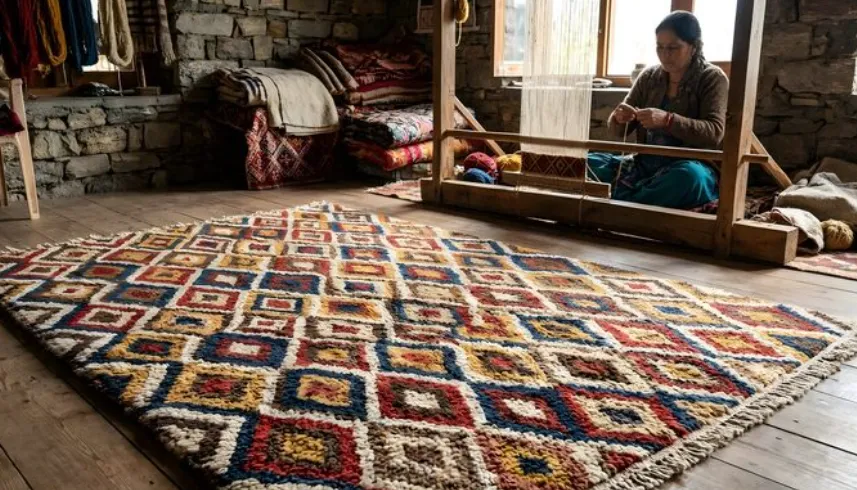
Rugs are one of the simplest and most impactful additions. A patterned rug anchors a room and ties the color scheme together. If you’re looking to buy rugs online, you’ll find no shortage of options, but traditional rugs and carpets tend to bring the most character to a modern space. Handmade rugs in India, in particular, are known for their intricate detailing and high-quality craftsmanship, making them a strong choice for anyone wanting an authentic touch of pattern.
Curtains and artwork round out the look. A striped curtain panel or a framed vintage-style print can reinforce the pattern theme without overwhelming the room.
If you’re combining multiple patterned elements, stick to a consistent color palette. This keeps the room cohesive even when you’re mixing a floral rug with striped curtains or a geometric accent wall.
What Are Some Budget-Friendly Ways to Add Classic Patterns?
You don’t need a large budget to bring classic patterns into your home.
Patterned textiles like throw pillow covers, table runners, and blankets are inexpensive and easy to swap out seasonally. Peel-and-stick wallpaper is a low-commitment alternative to traditional wallpaper, perfect for renters or anyone who likes to change things up often.
Secondhand and vintage shops are excellent sources for traditional rugs, curtains, and upholstered furniture with built-in character. These pieces often carry a level of craftsmanship that’s hard to find in mass-produced items, and buying secondhand is easier on both your wallet and the environment.
Before committing to a big purchase, use digital visualization tools offered by many home decor retailers. These let you preview how a pattern will look in your space, which takes the guesswork out of pairing prints with your existing furniture.
Real Homes, Real Pattern Pairings
Design blogs and home tours consistently show how effective this pattern-mixing approach can be. A minimalist living room with a bold striped rug and a plain gray sofa creates immediate visual interest without feeling busy. A bedroom with floral curtains against a simple white headboard feels warm and inviting rather than overwhelming. A kitchen with geometric-patterned tile backsplash paired with modern white cabinetry shows how even permanent fixtures can carry classic pattern influence.
In each case, the pattern serves as the room’s personality, while the rest of the space stays simple enough to let it shine.
Bring Some Character Into Your Own Space
Classic patterns give modern homes the depth and warmth that plain, minimalist design sometimes lacks. Whether it’s a traditional rug anchoring your living room or a striped accent pillow on your bed, these small additions carry decades of design history into your everyday space.
Start small if you’re new to pattern mixing. Add one statement piece, like a handmade rug, and build from there. Over time, you’ll develop an eye for which patterns speak to your personal style.
Have a favorite way you’ve added classic patterns to your home? Share it in the comments below, or subscribe for more practical design tips.
Frequently Asked Questions
Are classic patterns still in style for modern homes?
Yes. Classic patterns like damask, stripes, and geometrics have remained popular because they adapt to changing color trends and furniture styles, unlike short-lived design fads.
How many patterns can I mix in one room?
A safe rule is to stick to two or three patterns per room, keeping one as the dominant print and the others as smaller accents in coordinating colors.
Is it better to buy rugs online or in person?
Buying rugs online gives you access to a wider selection, including handmade rugs in India known for their craftsmanship. Buying in person lets you feel the material and see the true color, so consider your priorities before deciding.
What’s an affordable way to start incorporating classic patterns?
Throw pillows, table runners, and peel-and-stick wallpaper are low-cost ways to test out a pattern before committing to larger pieces like rugs or curtains.
Do classic patterns work in small spaces?
Yes, as long as you manage scale. Smaller rooms benefit from subtler prints or a single bold accent piece, rather than large-scale patterns on multiple surfaces.
