

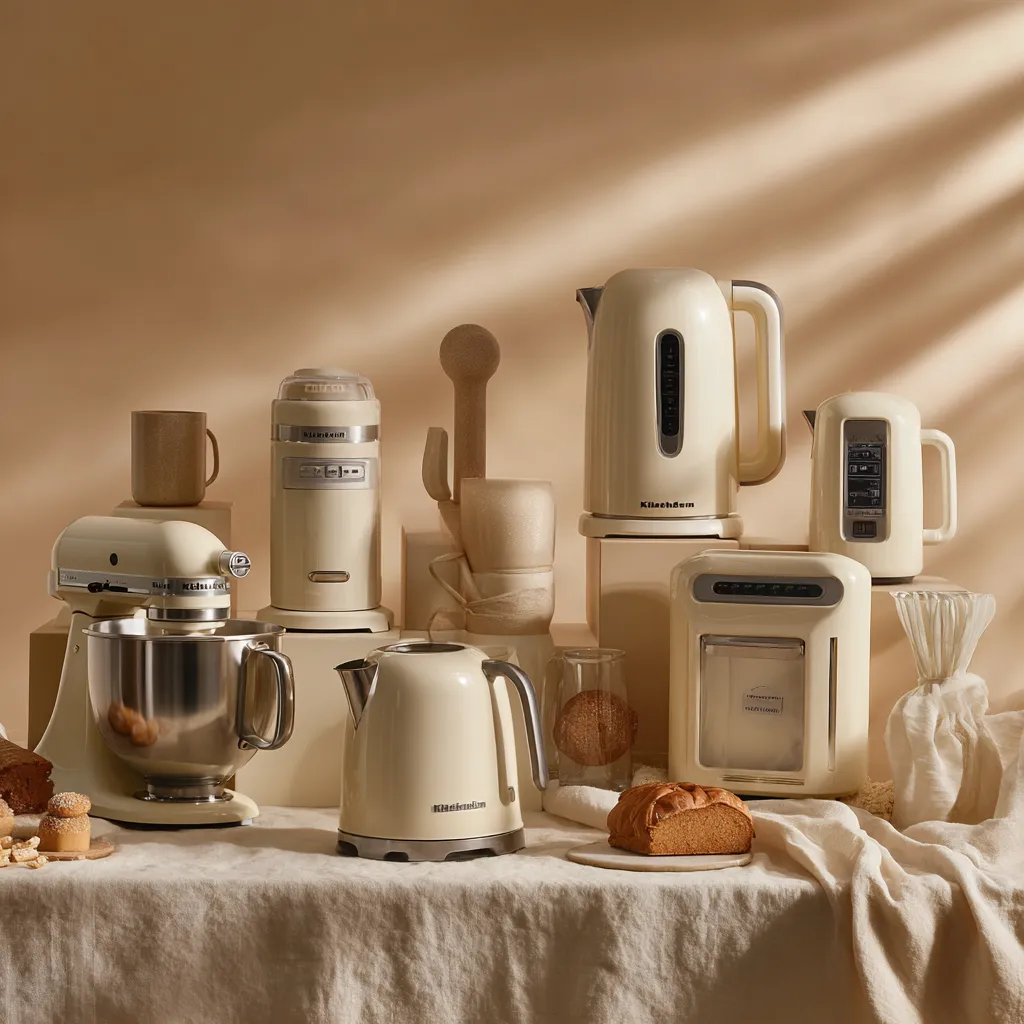
Family purchases have to satisfy more than one person, which makes ordinary shopping surprisingly complicated. A product may need to be durable, affordable, easy to clean, simple to store, and suitable for several routines at once. Looking at guides built around best buys for everyday living can help families discover useful options, but the most reliable starting point is the household itself. A product earns its place only when it fits the way a family actually cooks, cleans, travels, studies, and spends time together.
Begin With a Real Problem
Shopping becomes easier when the need is specific. Maybe school lunches are difficult to organize, kitchen storage is limited, a small appliance takes too long to clean, or a frequently used household item keeps wearing out.
Once the problem is clear, feature lists become easier to judge. A large storage system may look impressive but may not help in a small apartment. A powerful countertop appliance may be excellent for a family that prepares meals in batches but unnecessary for someone who cooks simply.
Ask where the product will be used, who will use it, how often it will be cleaned, and where it will live when it is not in use.
Separate Safety From Durability
When children are involved, age suitability, stable construction, secure fasteners, clear instructions, and relevant safety information deserve attention. Families should follow manufacturer guidance for age limits, assembly, installation, and maintenance rather than relying only on marketing language.
Durability is a different question. Family products are often handled roughly, washed frequently, dropped, moved, or used by several people. A safe item can still become poor value if hinges, seams, handles, or finishes wear out quickly.
Look at the parts most likely to receive repeated stress and check whether worn components can be replaced.
Make Kitchen Purchases Fit the Routine
Families often collect kitchen tools because each one promises speed or convenience. Reading kitchen and cooking product reviews can help compare appliances and home products, but the better question is how often the item will actually be used.
Before adding another appliance, consider:
-
Is there enough counter or storage space?
-
Are removable parts easy to wash?
-
Does it require special filters, pods, or accessories?
-
Can different family members use the controls easily?
-
Will it replace an existing tool or simply add another one?
A product that performs well but is difficult to clean often ends up at the back of a cabinet.
Compare Long-Term Value
The cheapest option at checkout is not always the cheapest over a year. A school bag that has to be replaced twice, a bottle that starts leaking after a few months, or an appliance that depends on costly proprietary supplies can become expensive.
At the same time, a premium price does not guarantee better quality.
Look for the reason behind the price difference. Stronger materials, easier repairs, a longer warranty, better comfort, or simpler maintenance can justify paying more. Decorative features or extra settings that nobody will use may not.
The goal is to choose the product that offers the best balance of function, durability, and cost for the household.
Avoid Buying Too Far Ahead
Families are often encouraged to prepare for the next stage, especially with children. Planning is sensible, but buying too early can create waste.
Sizes change, interests shift, routines evolve, and a product that seemed essential six months ago may no longer fit the situation. Clothing bought far in advance may not suit the season when it finally fits. Toys and activity equipment may miss a child’s current interests.
For non-essential purchases, waiting until the need is clearer usually improves the decision and gives families more time to compare options.
Think About Maintenance Before Checkout
Convenience is not only about what a product does. It is also about what happens after it has been used.
A useful item should be realistic to clean, store, charge, refill, or repair. Check care instructions before ordering. Find out whether covers are washable, replacement filters are easy to source, batteries are standard, and parts can be removed without special tools.
A product that saves ten minutes during use but requires complicated maintenance may not feel convenient for long.
Conclusion
Better family shopping is not about finding a perfect product every time. It is about choosing items that solve a real problem without creating unnecessary maintenance, clutter, or expense. Start with the household routine, check safety and durability separately, think about storage and cleaning, and compare long-term value instead of price alone. When everyday purchases are made with these practical questions in mind, families are more likely to buy fewer things and get more use from what they bring home.
