

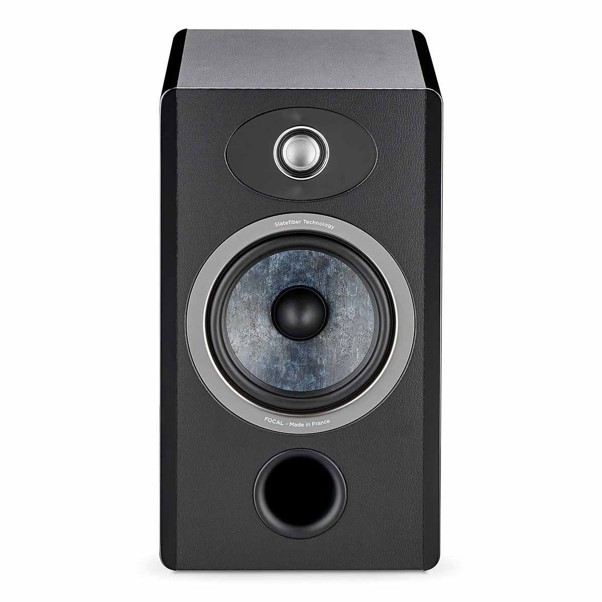
Not every home needs oversized audio equipment to create an impressive listening experience. In many apartments, bedrooms, and dedicated music spaces, carefully selected compact loudspeakers can deliver remarkable clarity without dominating the surroundings. Modern bookshelf speakers combine advanced driver materials, precisely engineered cabinets, and sophisticated acoustic designs to reproduce music with impressive detail. However, identifying the right model involves understanding more than its appearance or advertised specifications. We need to consider listening habits, speaker placement, amplifier compatibility, and the acoustic characteristics of the intended room.
Start With Your Listening Preferences
Music preferences should influence speaker selection because different recordings place different demands on audio equipment. Acoustic performances benefit from natural midrange reproduction, while electronic music often requires controlled bass and sufficient dynamic capability. Jazz enthusiasts may appreciate precise instrument separation, whereas listeners who enjoy orchestral recordings might prioritize tonal balance and spatial presentation. Rather than selecting equipment based entirely on brand reputation, we should audition familiar recordings across several models. Comparing how each speaker handles vocals, complex passages, and quieter details helps identify a presentation that remains enjoyable.
Compare Different Driver Design Approaches
Compact loudspeakers generally combine a high-frequency driver with a mid-bass unit, although more elaborate configurations are available. Tweeter materials, woofer construction, cabinet rigidity, and crossover engineering all influence performance. For example, Focal offers models featuring its proprietary tweeter technologies, while Bowers & Wilkins incorporates specialized driver materials into several compact designs. These engineering choices affect dispersion, distortion, and tonal characteristics. However, no individual material guarantees superior sound. We should evaluate how the complete speaker operates because successful integration matters more than isolated component specifications or marketing terminology.
Choose Placement That Improves Imaging
Speaker placement strongly affects how convincingly a stereo system recreates a musical performance. Positioning both speakers at approximately equal distances from the listening position provides a useful starting point. Tweeters are often placed near seated ear height, while adjustments to inward angle can influence stereo imaging. Although their name suggests furniture placement, many compact home audio speakers perform better on dedicated stands. We should also follow manufacturer recommendations for wall clearance because nearby surfaces can reinforce bass frequencies and alter the perceived tonal balance.
Explore Established Premium Audio Brands
Premium manufacturers provide numerous options for different listening priorities and budgets. Epic Systems’ bookshelf collection includes selections from Focal, Bowers & Wilkins, Paradigm, Perlisten Audio, JBL, and Legacy Audio. Products such as the Focal Vestia N°1, Bowers & Wilkins 606 S3, and Paradigm Premier series illustrate the variety of designs available. Each represents a different combination of cabinet engineering, driver technology, and intended performance. Instead of assuming expensive equipment automatically sounds better, we should compare suitable models under similar conditions and consider how their characteristics complement existing components.
Match Speakers With Suitable Amplification
The amplifier plays an essential role in achieving consistent loudspeaker performance. Sensitivity ratings indicate how much sound output a speaker produces under specified measurement conditions, while impedance characteristics influence electrical demands. Lower-sensitivity models may require greater amplifier power to reach comparable listening levels. We should examine recommended amplification ranges and ensure the equipment can handle the speaker’s impedance safely. Connection quality, ventilation, and appropriate volume settings also matter. A properly matched amplifier allows compact loudspeakers to reproduce musical dynamics without unnecessary distortion or strain during demanding passages.
Recognize Bass Extension And Limitations
Compact cabinets often provide excellent midrange clarity but face physical limitations when reproducing very low frequencies. Smaller drivers and restricted enclosure volume can reduce bass extension or maximum output compared with larger designs. However, this does not make compact systems unsuitable for serious listening. Adding a properly integrated subwoofer can extend low-frequency reproduction while allowing the main speakers to focus on their intended operating range. We should also consider room resonances and crossover settings because excessive bass reinforcement can reduce clarity rather than improve the listening experience.
Conclusion
The most rewarding compact audio system is not necessarily the most expensive or technically elaborate. It is the one that reproduces familiar recordings naturally while fitting comfortably into the available space. Speaker engineering, thoughtful positioning, suitable amplification, and realistic expectations all contribute to the final result. Through its curated selection of established audio manufacturers, epicsystems.tech offers homeowners several options worth exploring. Comparing models through a listening demonstration can reveal meaningful differences and help create a personal music space that remains enjoyable across changing preferences and future upgrades.
Frequently Asked Questions
Q1. Do bookshelf speakers belong inside a bookcase?
Not necessarily. Many perform better on stands with the manufacturer-recommended clearance from walls and nearby objects.
Q2. Can compact speakers produce convincing bass?
Yes, especially in smaller rooms, but their deepest bass output is often limited compared with larger loudspeakers.
Q3. When is adding a subwoofer worthwhile?
A well-integrated subwoofer can extend low frequencies for bass-heavy music and cinematic playback.
Q4. Does tweeter material determine sound quality?
No. Driver design, crossover integration, cabinet engineering and room placement all affect the result.
Q5. Can bookshelf models work as surround speakers?
Yes, when matched appropriately with the other channels and installed in a suitable listening arrangement.
