

Engines and machines feel smooth only when things under the hood stay steady. There is always motion, always tiny shakes that try to spread everywhere. That is where stability parts step in and quietly do their job. They sit between heavy components and the frame, absorbing small shocks and keeping balance intact. Without them, everything would feel rough, noisy, and kind of uncontrolled. This topic looks simple, but it actually touches performance, comfort, and the long life of machines in a very direct way when things run day after day.
Core Role in Machine Balance and Support
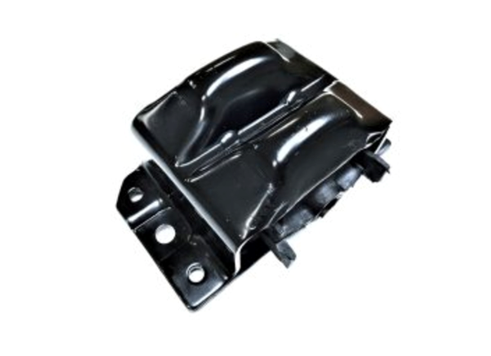
Inside many machines, stability depends on small connectors that carry a big responsibility. Engine Mounts sit between the engine block and the frame, and they reduce direct contact. They absorb vibration, hold alignment, and stop harsh movement from spreading. Without them, even a simple start or stop would feel heavy and shaky. Over time, they also protect surrounding parts from stress damage. It is not flashy work, but it keeps everything steady. In real use, they quietly improve comfort and reduce wear during long operation cycles across different working conditions and daily use.
Design Thinking Behind Controlled Motion
Every system that moves has hidden forces pulling it in different directions. These forces create vibration, noise, and small misalignments that build up slowly. To control this, designers focus on structure, weight distribution, and connection points that stay flexible yet firm. The goal is simple: reduce unwanted motion without blocking function. When this balance is right, machines feel smoother and last longer. Even small improvements in spacing or material choice can change how stable the entire system feels during everyday use and heavy-duty cycles, quite noticeably improving performance overall.
Noise Control and Movement Absorption Layer
Modern setups rely on parts that quietly manage unwanted shaking before it spreads. Vibration Mounts act like a buffer between active components and rigid frames. They soften impact, reduce noise, and help maintain steady performance even under pressure. When machines run at different speeds, these mounts adjust by absorbing uneven forces. This reduces strain on joints and keeps systems stable for longer periods. It may seem like a small detail, but it plays a big role in maintaining comfort and durability across repeated use cycles in practical environments, and overall system balance.
Why Stability Design Matters in Real Use
Stability is not just about strength; it is about control over motion that happens every second. In real environments, machines face uneven loads, temperature changes, and continuous pressure. Good design helps reduce breakdown chances and keeps everything working in rhythm. It also improves efficiency by avoiding wasted energy through unwanted movement. Over time, this means less maintenance and more consistent output. Even simple structural decisions made early can decide how well a system performs after long usage, especially in demanding conditions where reliability becomes very important for real operations.
Conclusion
Overall, stability parts in machines are more important than they first appear. They quietly shape how smooth, safe, and long-lasting any system becomes. When everything is aligned properly, wear reduces, and performance feels natural instead of forced. Even small improvements in support design can lead to noticeable differences over time. The key is balance, not too rigid, not too loose. With thoughtful structure and attention to movement control, machines stay reliable through daily use. In the end, consistency matters more than complexity in real-world operation and usage.
