

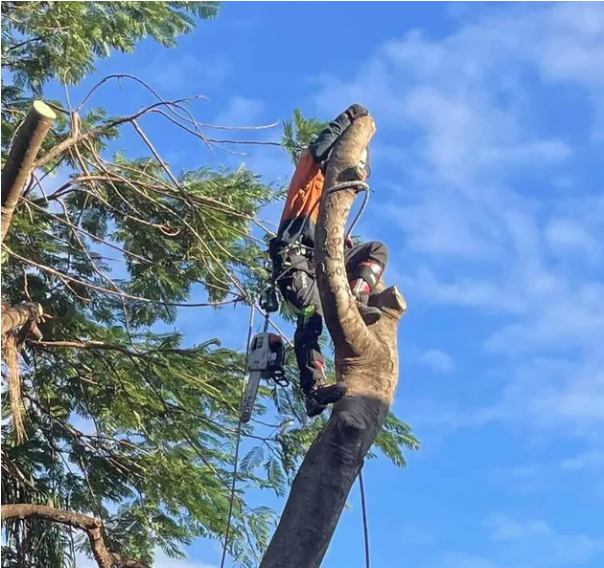
Trees are an important part of Sydney’s urban landscape, offering shade, privacy, and visual appeal. However, when trees are not properly maintained, they can quickly become a serious safety hazard. Falling branches, unstable trunks, and storm-damaged trees pose risks not only to property but also to people.
This is why hiring a professional Tree Lopper Sydney service is not just about appearance—it’s about safety, responsibility, and long-term risk prevention.
The Hidden Risks of DIY Tree Work
Tree lopping may look straightforward, but it is one of the more dangerous property maintenance tasks. Many serious injuries occur when untrained individuals attempt to cut branches without understanding how trees behave under load.
Common DIY risks include:
- Falling from ladders or unstable surfaces
- Branches dropping unpredictably
- Incorrect cuts causing trees to split or collapse
- Contact with power lines
- Injuries from chainsaws or cutting equipment
Without proper training, even small mistakes can result in serious consequences. What begins as a routine task can quickly turn into an emergency situation.
What Makes Tree Work So Dangerous?
Tree lopping involves multiple high-risk factors that are often underestimated.
Working at Height
Tree work frequently requires climbing or operating equipment several metres above ground, increasing the risk of falls.
Heavy and Unpredictable Loads
Branches can weigh far more than expected. Once cut, their movement is difficult to control without professional rigging systems.
Complex Tree Structures
Trees grow under tension. Cutting the wrong limb can cause sudden movement or chain reactions that place workers and property at risk.
Close Proximity to Structures
Many Sydney properties have trees growing near homes, fences, vehicles, and public areas, leaving little margin for error.
How Professional Tree Loppers Ensure Safety
Professional tree loppers follow strict safety procedures designed to minimise risk at every stage of the job.
Formal Training and Experience
Qualified professionals understand tree biology, load distribution, and structural weaknesses. This knowledge allows them to plan cuts that reduce stress on the tree and surrounding area.
Use of Proper Safety Equipment
Professionals use industry-approved safety gear, including:
- Protective helmets and eye protection
- Harnesses and climbing systems
- Chainsaw-resistant clothing
- Controlled rigging equipment
These tools are essential for managing risk and ensuring controlled outcomes.
Detailed Risk Assessments
Before work begins, professionals assess:
- Tree condition and stability
- Surrounding hazards
- Access points and escape routes
- Weather conditions
This planning reduces surprises and allows for safer execution.
Professional Tools and Techniques
High-grade equipment and proven techniques allow branches to be lowered safely rather than dropped, protecting people, structures, and landscapes below.
Engaging an experienced Tree Lopper Sydney professional ensures safety is prioritised from start to finish.
Legal Compliance and Insurance Protection
Tree work in Sydney is often subject to council regulations, particularly when dealing with protected species or trees of a certain size. Unauthorised work can result in fines or legal issues.
Professional tree loppers understand:
- Local council requirements
- Permit and approval processes
- Environmental protection guidelines
Equally important is insurance. Professional services carry public liability insurance, protecting property owners if something goes wrong. DIY or uninsured work can leave homeowners financially exposed.
Benefits Beyond Immediate Safety
While safety is the primary concern, hiring professionals also provides long-term advantages.
Healthier Trees
Correct lopping techniques help prevent disease, decay, and uncontrolled regrowth.
Cleaner, More Efficient Work
Professionals handle debris removal and site clean-up, leaving properties safe and tidy.
Long-Term Cost Savings
Proper work reduces the likelihood of repeated maintenance, emergency callouts, or premature tree removal.
Expert Advice
Professionals can advise whether a tree should be lopped, pruned, or removed entirely, helping property owners make informed decisions.
When Tree Removal Is the Safer Option
In some cases, tree lopping alone cannot resolve safety concerns. Removal may be necessary when:
- The trunk is severely decayed or hollow
- The root system is compromised
- The tree poses repeated risks despite lopping
- Storm damage has weakened structural integrity
For properties in western Sydney, professional Tree Removal Blacktown services provide a safe and controlled solution when full removal is required. Attempting partial lopping on a failing tree can increase risk rather than reduce it.
Why Professional Judgment Matters
One of the biggest advantages of hiring professionals is their ability to assess whether lopping is appropriate at all. Over-lopping or incorrect cuts can weaken trees and accelerate decline, creating greater hazards over time.
Professionals focus on:
- Structural stability
- Long-term tree health
- Safety of people and property
- Compliance with regulations
This balanced approach ensures decisions are based on expertise rather than guesswork.
Final Thoughts
Tree lopping is not just a maintenance task—it’s a safety-critical activity that requires skill, planning, and experience. Hiring a professional ensures work is carried out responsibly, risks are managed effectively, and trees are treated with long-term care in mind.
For Sydney property owners, professional tree services provide peace of mind, legal protection, and safer outcomes—making them a smart and responsible choice whenever tree work is required.
Frequently Asked Questions
Is it legal to lop trees without professional help in Sydney?
Some minor work may be allowed, but many trees are protected under council regulations. Professional advice helps avoid compliance issues.
How often should trees be checked for safety?
Trees should be visually monitored regularly and professionally inspected every one to three years, or after major storms.
Does hiring a professional really reduce risk?
Yes. Professional training, equipment, and planning significantly reduce the likelihood of injury, damage, and legal complications.

