

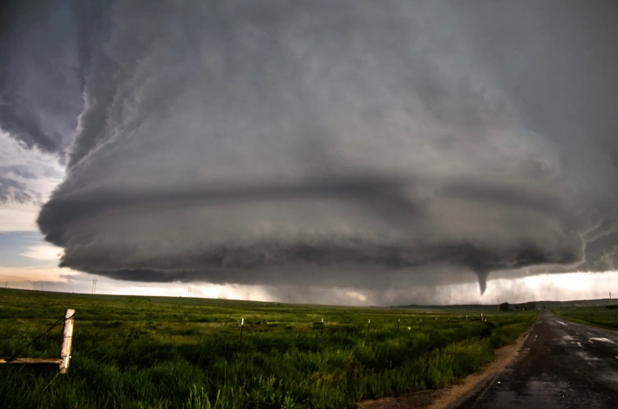
Booking one of the many tornado chasing tours out there is a pretty exciting call, especially if severe weather up close is totally new territory for you. Movies love making storm chasing look like some chaotic car chase, but a properly guided tour is nothing like that. It’s planned out, genuinely educational and safety runs through every part of it.
Knowing roughly what to expect ahead of time just makes the whole thing easier to actually enjoy. So here’s a step-by-step look at what your first chase is likely to look like.
Step 1: Booking Your Tour
Everything starts with picking a solid storm-chasing company. Most operators run multi-day trips during peak storm season and packages usually cover transportation, hotels and guidance from people who chase for a living.
Before you lock anything in, go through the itinerary, what’s actually included, cancellation terms and any fitness or age requirements. Booking with an experienced operator honestly makes the whole trip run smoother and safer.
Step 2: Preparing for the Trip
Once you’ve booked, it’s time to get your stuff together.
Pack clothing that can handle weather flipping fast, comfortable shoes, sunscreen, a reusable water bottle and any meds you need. If photography’s your thing, grab your camera, spare batteries, memory cards and a portable charger too.
Sorting this out ahead of time means you’re not scrambling once the actual chase kicks off.
Step 3: Meeting the Team
Day one, you’ll meet your guides and whoever else is on the trip with you. Most Stormchasing Tours kick off with an orientation, covering the schedule, safety stuff, some weather basics and what the next few days will actually look like.
Good time to ask questions too and learn a bit about the gear and forecasting tools your guides rely on.
Step 4: The Morning Forecast
Every chase day typically opens with a weather briefing.
Guides dig into forecast models, satellite imagery, radar, atmospheric conditions, all of it, trying to pin down where storms are most likely to fire up. From there, they map out the day’s route and explain why one area’s looking better than another.
Forecasts shift constantly through the day, though, so flexibility is basically baked into the whole experience.
Step 5: Hitting the Road
After the briefing wraps up, everyone heads toward the target area. The driving itself becomes part of the adventure, honestly, passing through small towns, open farmland, that endless Great Plains scenery.
Guides keep checking updates the whole drive and might shift the route if something changes.
You can feel the anticipation building as storm clouds start stacking up on the horizon.
Step 6: Watching the Storm Develop
Once conditions look right, the group pulls over at spots picked specifically for good viewing.
Depending on how the day plays out, you might see:
- Towering supercell thunderstorms
- Rotating wall clouds
- Lightning displays
- Shelf clouds
- Heavy rain shafts
- Mammatus clouds
- Dramatic sunsets
- Tornadoes, when conditions allow
No two chases ever look quite the same, which is honestly part of the appeal.
Step 7: Capturing the Moment
This is prime territory for photography and video, no question.
Guides usually point out safe spots with a clear view of the storm, giving you time to actually compose your shot instead of scrambling for it.
Even shooting on just a phone, you’ll have plenty to work with along the way.
Step 8: Wrapping Up the Day
Once the storm starts fading or the sun’s going down, that’s usually a wrap for the day.
The group heads to wherever you’re staying that night and guides will often go over the day, talk through the weather, and start looking ahead to tomorrow’s forecast.
Honestly, a lot of people say these evening chats end up being just as good as the chase itself, since you walk away actually understanding what happened out there.
Tips for First-Time Participants
If this is your first time doing this, keep a few things in mind:
- Dress for changing weather conditions.
- Keep your camera ready throughout the day.
- Stay flexible, as routes may change quickly.
- Listen carefully to your guides’ instructions.
- Enjoy the entire experience rather than focusing only on tornado sightings.
A good tour comes down to appreciating nature’s power, tornado or not.
Final Thoughts
Joining a guided tornado chasing tour is about way more than just watching storms roll by. It’s a shot at learning from people who genuinely know this stuff, seeing some incredible parts of the country, and experiencing severe weather safely instead of recklessly.
Whether you’re a weather nerd, a photographer, or just someone craving something different, Stormchasing Tours delivers a trip packed with learning, discovery, and moments you’ll be talking about long after it’s over.
