

The Kanchenjunga Base Camp Trek, often called the Kanchenjunga Trek, is one of Nepal’s most remote and breathtaking trekking experiences. Nestled in the easternmost region of the country, this trek provides adventurers a rare opportunity to explore pristine landscapes, towering Himalayan peaks, and vibrant local cultures. Unlike popular treks such as Everest Base Camp or Annapurna Circuit, the Kanchenjunga Trek offers solitude, wilderness, and a profound connection with nature.
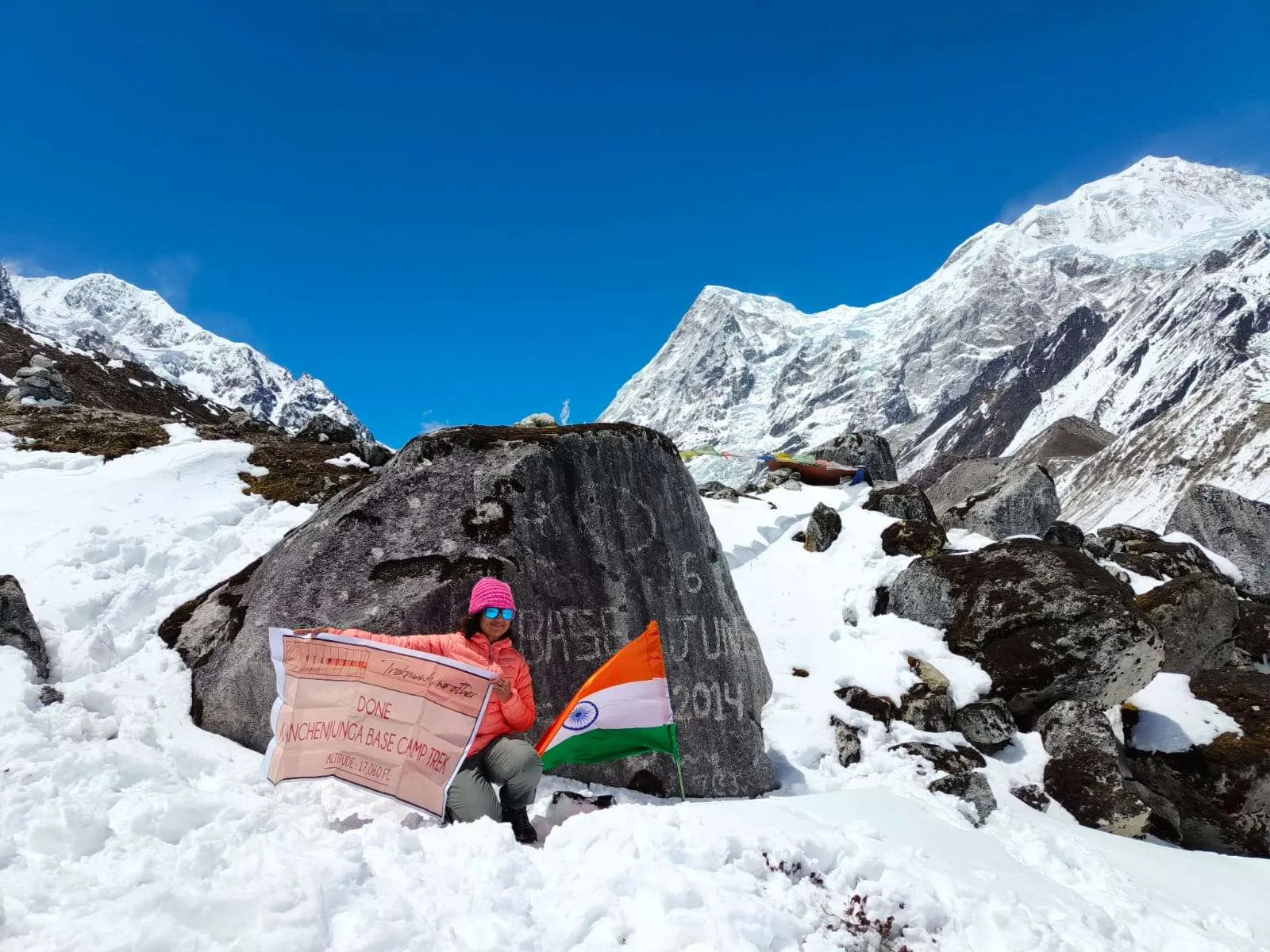
Introduction to the Kanchenjunga Base Camp Trek
The Kanchenjunga Base Camp Trek takes trekkers to the foot of Mount Kanchenjunga, the world’s third-highest mountain at 8,586 meters. The trek allows visitors to experience stunning Himalayan scenery, glaciers, and alpine valleys while passing through traditional villages inhabited by ethnic groups like the Rai, Limbu, and Sherpa.
The journey typically starts with a flight to Bhadrapur, followed by a scenic drive to Taplejung or Suketar, trailheads for the trek. From there, the path gradually ascends through dense forests, highland meadows, and river valleys, offering both natural beauty and cultural encounters.
Spectacular Natural Landscapes
The Kanchenjunga Trek is renowned for its diverse and untouched natural beauty. The trail passes through the Kanchenjunga Conservation Area, home to rare wildlife, rhododendron forests, and alpine ecosystems. Trekkers enjoy views of Kanchenjunga, Jannu (Kumbhakarna), and Kabru, along with high-altitude glaciers and crystal-clear streams.
The changing landscapes—from lush green forests to rocky highlands and snow-covered peaks—make the trek visually stunning. Highlights include the Kanchenjunga Glacier and serene alpine meadows, perfect for photography and nature exploration. The remote wilderness offers a sense of tranquility rarely found in more popular trekking regions.
Cultural Experiences and Local Life
The Kanchenjunga Base Camp Trek is as much a cultural journey as it is a natural one. The region is inhabited by diverse ethnic communities, each preserving unique traditions and lifestyles. Villages such as Yamphudin, Chirwa, and Kambachen provide glimpses into traditional rural life, offering opportunities to interact with locals and learn about their customs, food, and festivals.
Buddhism and Hinduism both influence the cultural landscape. Trekkers encounter monasteries, prayer flags, and sacred chortens along the trail. The hospitality of local communities enhances the trekking experience, making it both culturally enriching and personally rewarding.
Physical Challenges and Preparation
The Kanchenjunga Trek is moderately to highly challenging due to its remote location, rugged terrain, and long duration. Trekkers usually spend 18 to 24 days on the trail, trekking 6–8 hours daily on steep and uneven paths. High altitudes, especially near the North Base Camp (over 5,000 meters), require proper acclimatization to prevent altitude sickness.
Preparation is essential. Regular cardiovascular exercise, strength training, and practice hikes improve stamina. Trekking gear such as insulated clothing, sturdy boots, and trekking poles is vital for comfort and safety. Mental readiness is equally important, as the remote nature of the trek demands patience and resilience.
Best Time to Undertake the Trek
The ideal trekking seasons are spring (March to May) and autumn (September to November). During these months, weather conditions are stable, skies are clear, and visibility is excellent. Spring features blooming rhododendron forests and vibrant greenery, while autumn provides crisp air and panoramic views of the Himalayan peaks. Winter treks are possible but cold, and the monsoon season is generally avoided due to heavy rainfall and slippery trails.
Accommodation and Food
Accommodation along the Kanchenjunga Trek is basic but adequate. Tea houses and lodges provide beds, warm meals, and communal dining spaces. In more remote sections, camping may be necessary. Food typically includes dal bhat (rice and lentils), soups, noodles, and occasional Western dishes. These meals are sufficient to fuel trekkers through long and challenging days.
Permits and Regulations
The Kanchenjunga region is a restricted area, requiring trekkers to obtain a Restricted Area Permit and a Kanchenjunga Conservation Area permit. A licensed guide is mandatory to ensure compliance with local regulations and safety. These measures help protect the environment and cultural heritage of this pristine region.
Responsible Trekking
Sustainable and responsible trekking is crucial in the Kanchenjunga region. Trekkers should minimize waste, avoid single-use plastics, and respect local customs. Supporting local communities through accommodations, guides, and purchasing local products helps maintain the ecological and cultural integrity of the region.
Conclusion
The Kanchenjunga Base Camp Trek, also known as the Kanchenjunga Trek, is a remarkable journey into one of Nepal’s most remote and pristine areas. It combines stunning Himalayan scenery, rich cultural experiences, and significant physical challenges, making it perfect for seasoned trekkers seeking adventure and solitude.
Reaching Kanchenjunga Base Camp is more than a physical accomplishment—it is a journey of exploration, reflection, and connection with nature and local cultures. For those willing to embrace its challenges, the Kanchenjunga Trek offers a unique and unforgettable Himalayan experience, leaving memories that last a lifetime.

