

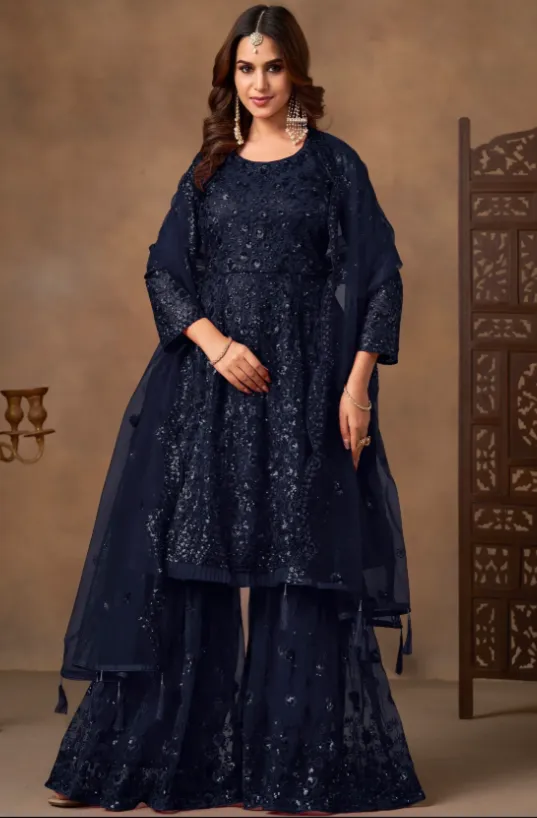
Sangeet nights are filled with music, dancing and celebrations that demand outfits combining glamour with comfort. While traditional lehengas remain popular, wide-flared trousers are becoming an appealing alternative for women who want something elegant yet easier to move in. A beautifully designed sharara suit for women offers graceful movement, a flattering silhouette and festive charm without the restrictions of heavily layered skirts.
The growing appeal of shararas reflects a preference for outfits that look impressive in photographs while remaining practical throughout long celebrations. Their flowing structure creates visual drama on the dance floor, making them suitable for women who enjoy traditional fashion with a contemporary touch.
The Traditional Charm Behind the Sharara Revival
Sharara outfits have a rich history in South Asian fashion, particularly within traditional Mughal-inspired clothing. Their distinctive construction features trousers that flare dramatically below the hips, creating a skirt-like appearance while retaining the convenience of separate legs.
Modern interpretations preserve this traditional charm while introducing lighter fabrics, contemporary embroidery and updated kurta lengths. Designers are experimenting with balanced proportions that make shararas suitable for engagement parties, festive dinners and elaborate sangeet celebrations.
Why Wide Flared Trousers Work Beautifully for Dancing
Unlike heavily structured skirts, sharara trousers allow greater freedom for individual leg movements. Their flowing fabric creates an attractive effect during turns, making them especially appealing for choreographed performances and energetic celebrations.
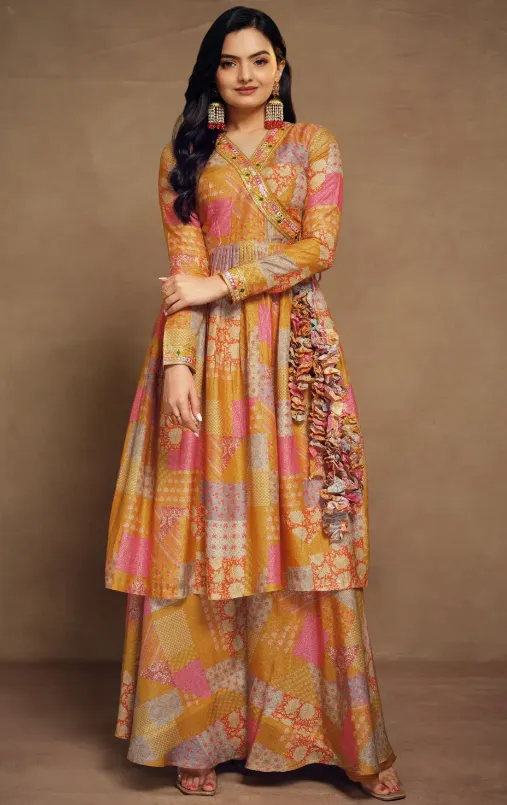
Women who enjoy experimenting with festive colours can consider an Orange Sharara Suit for a vibrant evening appearance. Warm orange shades complement the lively atmosphere of pre-wedding celebrations, particularly when paired with gold accessories and softly styled hair.
Finding the Right Kurta Length for Your Sharara
The length of the kurta significantly influences the overall appearance of a sharara ensemble. Short kurtas highlight the dramatic flare of the trousers, creating a balanced silhouette that works particularly well for dance-focused celebrations.
Longer kurtas offer a more traditional appearance but should be selected carefully. Excessively loose or heavily decorated designs may conceal the distinctive shape of the trousers. Choosing a well-fitted upper garment allows the outfit to maintain its graceful proportions.
Fabrics That Create Beautiful Movement Without Extra Weight
Lightweight georgette is a popular choice for sharara outfits because it drapes smoothly and moves gracefully. Chiffon also offers a flowing appearance, although suitable lining is important for comfort and coverage during active celebrations.
Silk blends and crepe provide alternatives for women seeking a more structured finish. When selecting fabrics, consider the duration of the event and the amount of dancing involved. Heavy embellishments may look attractive but can become uncomfortable after several hours.
Styling Jewellery Without Overpowering the Outfit
Sharara ensembles already create considerable visual interest through their wide trousers and flowing layers. Consequently, accessories should complement the silhouette rather than compete with it.
Statement earrings are particularly effective with embroidered kurtas. Chandbalis, jhumkas and delicate pearl accessories can introduce traditional elegance. Women wearing heavily embellished necklines may prefer skipping necklaces entirely to maintain a balanced appearance.
Footwear and Dupatta Choices for Sangeet Celebrations
Comfortable footwear becomes essential when an evening includes standing, walking and dancing. Low block heels, cushioned juttis and secure sandals are practical choices that complement the traditional silhouette.
Dupatta styling also deserves attention. A lightweight dupatta secured over one shoulder provides elegance without requiring constant adjustment. For elaborate dance performances, a neatly pinned drape helps prevent fabric from interfering with movement.
Small Styling Decisions That Make a Big Difference
Creating a memorable sangeet appearance does not always require elaborate accessories or expensive embellishments. Thoughtful combinations of colour, texture and proportion often produce a more refined result.
Consider these practical styling suggestions:
-
Choose contrasting dupattas for additional colour and dimension.
-
Pair heavily embroidered trousers with simpler kurtas.
-
Select secure footwear suitable for extended dancing.
-
Keep hairstyles manageable during energetic performances.
-
Avoid excessively long trousers that may drag on the floor.
-
Test the complete outfit while walking and turning before the event.
These adjustments can improve both comfort and appearance throughout the celebration.
Conclusion
Wide-flared trousers offer an appealing combination of traditional craftsmanship, expressive movement and contemporary festive style. Their distinctive silhouette makes sharara outfits particularly suitable for sangeet nights, where comfort and visual elegance are equally important. Selecting lightweight fabrics, balanced kurta lengths and carefully coordinated accessories helps create an outfit that feels both fashionable and practical. Rather than relying on elaborate embellishments alone, women can achieve a memorable appearance through thoughtful styling and confident movement. Ultimately, the best sangeet outfit allows its wearer to celebrate freely, dance comfortably and enjoy every special moment without unnecessary restrictions.
