

Safety at home is built in layers, and two of the most important are early warning and reliable power. Proper smoke detector installation gives your family precious minutes during a fire, while planning for outages keeps essentials running when storms strike. Together they form a practical protection plan worth reviewing this year. Here is how to approach both wisely.
Early Warning Is Everything
Fires grow faster than most people expect. A small flame can fill a room with smoke in minutes, and smoke is often more dangerous than the flames themselves. Detectors give you the time to wake up, gather your family and leave. Time is the one thing you cannot buy later.
Alarms only help if they work. Dead batteries, expired units and poor placement are the usual culprits when alarms fail. A quick review of what you have now reveals gaps that are easy and inexpensive to close. Start by checking the manufacture date. Most units have a limited lifespan.
When the Power Goes Out
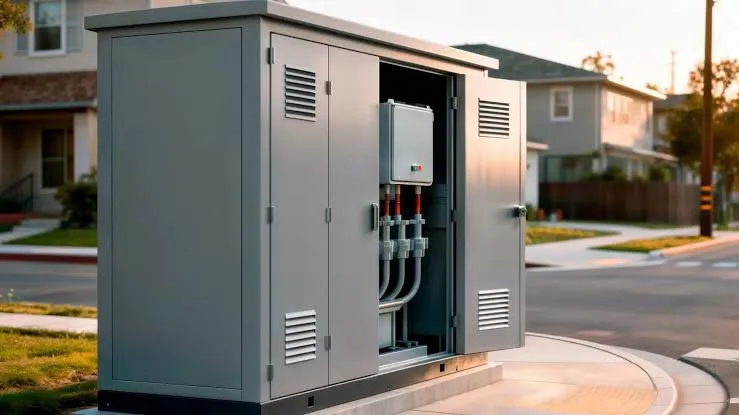
Storms, ice and grid failures can leave a home dark for hours or days. In winter, that means no heat, and in summer it can mean spoiled food. A reliable plan for backup generator installation turns these events into minor inconveniences. Ice storms make the point clear. Preparation pays for itself quickly.
Start by listing what you cannot live without, such as the furnace fan, refrigerator, sump pump and a few lights. That list determines the size of the unit you need. Bigger is not always better, and oversizing wastes fuel and money. Your electrician can calculate the load precisely.
Standby Power Done Safely
A generator must never feed power back into the utility lines. A transfer switch isolates your home safely and prevents dangerous backfeed that could injure line workers. It also lets you power chosen circuits without running extension cords through windows. This equipment is not optional. Cutting corners here can be deadly.
Placement matters just as much. Engines produce carbon monoxide, so units must sit outdoors and well away from doors, windows and vents. Local rules and manufacturer clearances apply, which is another reason to rely on a licensed professional. Add a carbon monoxide alarm indoors for extra protection.
Where Detectors Belong
Place a detector on every level of the home, outside each sleeping area and inside every bedroom. Basements and hallways count too. Smoke rises, so ceiling mounting or high wall placement gives the fastest response. Follow the manufacturer’s spacing guidance closely. More coverage means earlier warning.
Avoid placing units right beside kitchens or bathrooms, where cooking steam and shower humidity cause false alarms. Constant nuisance alerts tempt people to remove batteries, which defeats the purpose. Smart positioning keeps alarms trustworthy. Specialized kitchen-friendly models also exist. Ask about them if you cook often.
Hardwired, Battery or Both?
Hardwired alarms connect to your home’s electrical system and usually include a battery backup. When one sounds, they all sound, which is ideal in larger homes. They also remove the guesswork of chirping batteries at three in the morning. Interconnection is the real advantage. Everyone hears the warning together.
Battery-only units are easier to add but depend on regular upkeep. Sealed long-life models reduce the burden, yet they still expire. For older homes, an electrician can often add interconnected wiring with minimal disruption to finished walls. Discuss the options before choosing. Combined smoke and carbon monoxide units are also available.
Testing and Maintenance Calendar
Test every alarm monthly by pressing the button, and replace batteries yearly unless the unit is sealed. Vacuum dust from the vents gently, since buildup interferes with sensing. Write the date on each unit when you install it. Phone reminders make the habit stick.
Exercise the generator too. Run it under load every month or so, check fuel and oil, and keep the area around it clear of snow and debris. A professional service visit once a year helps it start when it counts. Neglected engines fail at the worst moment.
Layers of Protection
Fire alarms and standby power address different risks, yet both rely on simple planning and regular care. Review your detectors, think through your outage needs and make decisions before an emergency forces them. Calm preparation always beats improvisation. Your household deserves both layers. Little effort brings large peace of mind.
For a professional assessment and a free estimate, visit electrivolt.ca/en. A brief conversation could be the most valuable safety decision you make this year. Do not wait for an emergency to start planning. Small steps now protect everything you value. Reach out today.
